Neueroaesthetics: The Arts and Design as Medicine
by Ari Peralta, MSc
For decades, the design industry has viewed art as an amenity. It is often the final layer of a project, a decorative afterthought selected to complement a color palette or fill a blank lobby wall. But as the evidence for art as medicine continues to pile up, a profound shift is underway.
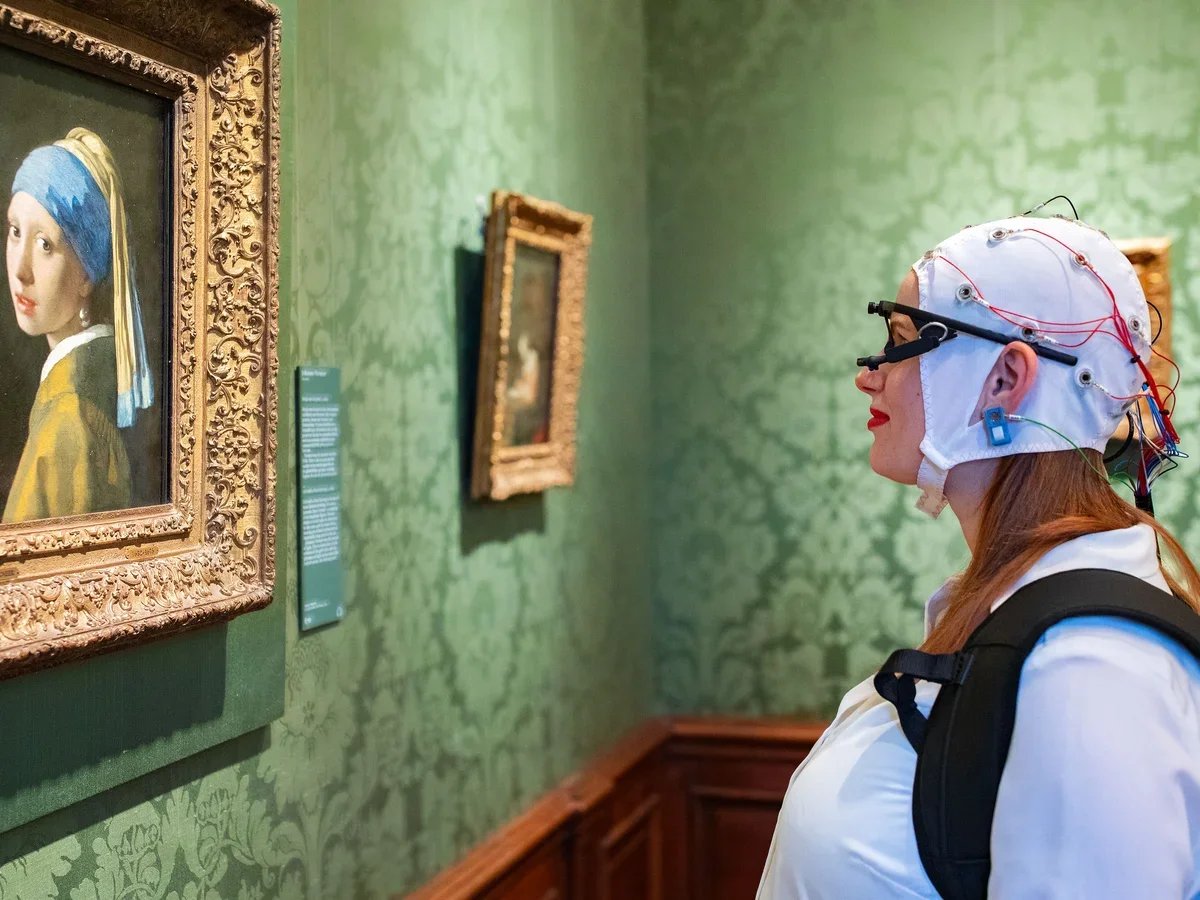
What many of us in the spatial and sensory design worlds have intuitively perceived for years is now being locked in by hard science.
Participating in the arts is a biological necessity.
It can directly influence our neurobiology, shift our physiological baseline, and act as a proven catalyst for human longevity. For architects and designers, this research changes everything.
Built environments are not passive containers; they are complex sensory scripts. When we design spaces, we are configuring the neural inputs of the people who inhabit them.
By looking at the evolution of four distinct artistic modalities, and the rigorous science backing them, we can begin to treat art not as decoration, but as an evidence-based intervention that drives measurable physical and mental change.

Art Observing: From Passive Viewing to Neuroaesthetic Resonance
The act of looking at art has evolved from a passive, elite pastime in traditional galleries into an active, somatic phenomenon. The emerging field of neuroaesthetics proves that when we look at an object, our brains do not merely register shapes and colors; they physically simulate the experience of the art itself.
The Research: Utilizing functional MRI scans, neuroscientist Semir Zeki at University College London discovered that viewing a powerful work of art triggers an immediate 10% to 11% increase in blood flow to the reward centers of the brain, an increase equivalent to the neurological response of looking at a loved one. This is driven by our mirror neuron system mapping the visual onto our own physiology.
The Spatial Application: Visual art within an architectural concept must be curated with spatial intentionality. Sighting lines, focal points, and lighting must be engineered to give occupants a moment of deep visual pause, activating the brain’s default mode network to reduce cognitive fatigue in high-stress corporate or clinical environments.
Art Making: From Expression to Applied Neuroplasticity
Historically viewed as a purely emotional or cultural output, the act of making art has evolved in the scientific eye into a precise cognitive workout. For centuries, humanity painted or sculpted to record history and express the subconscious. Today, mobile EEG tracking and functional imaging allow us to see exactly how hands-on creation structurally remodels the brain.
The Research: A landmark study published in Art Therapy by Girija Kaimal and her research team demonstrated that just 45 minutes of creative art-making significantly reduces cortisol levels in 75% of participants, regardless of their artistic skill or experience. You can read the full findings in the Drexel University Cortisol Study.
The Spatial Application: Incorporating dedicated tactile maker spaces, ceramics rooms, or biophilic crafting zones within residential and commercial builds moves the human nervous system out of an "always on" fight-or-flight state, acting as a structural buffer against chronic burnout.
Dancing: From Ritual to Vestibular Longevity
Dance began as a communal ritual and performance art, but neuroscience now views it as one of the most sophisticated multi-system exercises available to humans. It demands the simultaneous integration of auditory cues, rapid motor planning, spatial awareness, and social synchronization.
The Research: A famous long-term study published in The New England Journal of Medicine tracked senior citizens for over two decades to determine which physical or mental activities protected against dementia. Of all physical activities tracked, including cycling and swimming, dancing was the only one associated with a staggering 76% reduction in dementia risk, heavily outperforming cognitive puzzles. NEJM Leisure Activities and Dementia Study.
The Spatial Application: This highlights the need for kinetic spaces that encourage fluid, uninhibited human movement. Architects should prioritize spatial layouts with flexible, kinetic flooring, integrated rhythmic acoustics, and intuitive wayfinding that nudges building occupants to physically navigate their environments dynamically rather than linearly.
Playing Music: From Entertainment to Cognitive Reserve
Music has transitioned from a localized auditory entertainment tool to being recognized as a literal structural architect for the human brain. Playing an instrument is the neurological equivalent of a full-body mental workout, forcing the visual, auditory, and motor cortices to communicate at lightning speeds.
The Research: Pioneering neuroimaging research led by Dr. Gottfried Schlaug has shown that musicians possess a significantly larger and more robust corpus callosum, the bridge of nerve fibers connecting the left and right hemispheres of the brain. This heightened connectivity builds an extraordinary "cognitive reserve," shielding the brain from cognitive decline. The breakthrough morphometry data can be reviewed in the Gottfried Schlaug Corpus Callosum Study.
The Spatial Application: Soundscape design is a critical, yet frequently ignored, architectural frontier. Integrating responsive acoustic paneling, intentional resonance chambers, and dedicated spaces for auditory practice ensures that sound becomes a therapeutic tool rather than environmental friction.
The New Aesthetic Triad
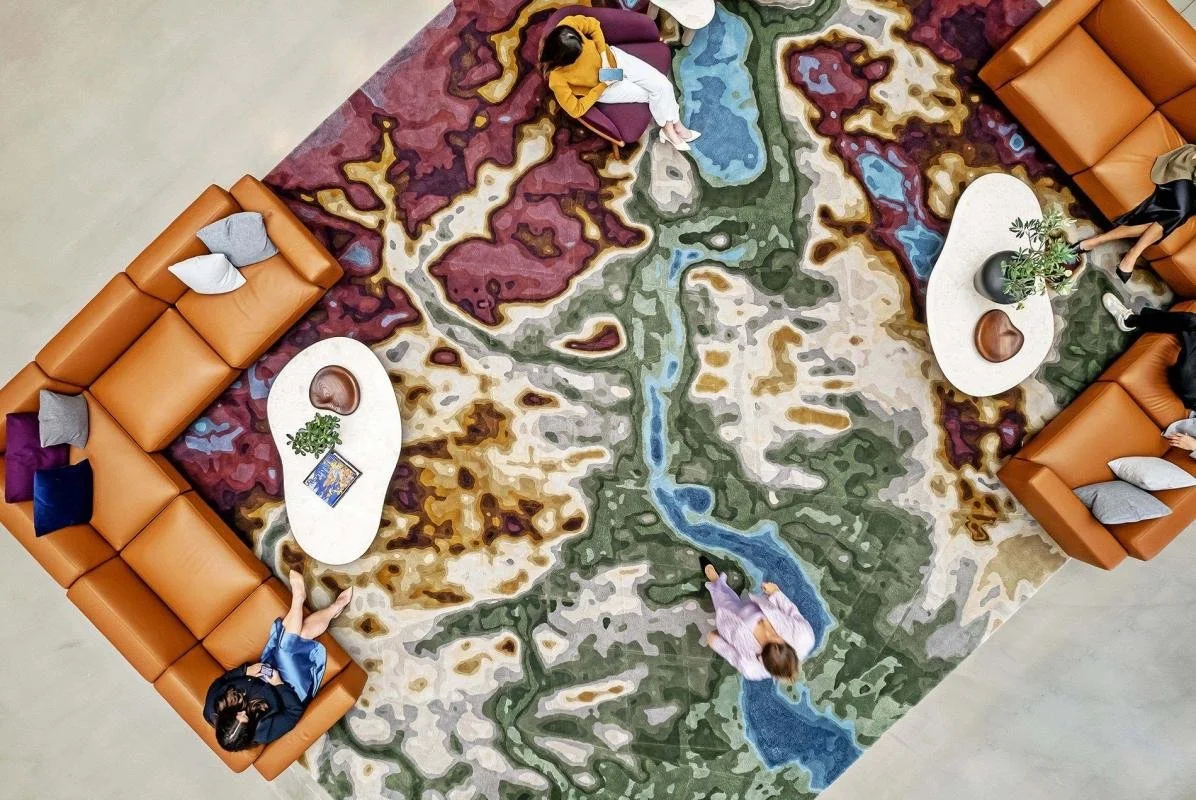
Perception
Feeling
Context
When translating the raw data of "art as medicine" into the physical reality of concrete, glass, and timber, architects and designers require a foundational framework.
The brain does not process space through a single lens. Instead, our spatial experiences are governed by a complex intersection of neural pathways known in cognitive science as the Aesthetic Triad. Developed by pioneering researchers like Dr. Anjan Chatterjee at the Penn Center for Neuroaesthetics, this framework states that human-building interactions are mediated by three large-scale, interconnected neural systems.
To build spaces that actively promote neurowellness and longevity, every designer and architect should become deeply intimate with these three core neuroaesthetic principles.
The Physics of Perception
The sensori-motor system handles the "bottom-up" processing of an environment. Before the conscious mind can form an opinion about a lobby, clinic, or home, the unconscious nervous system has already scanned its physical attributes. This includes the light temperature, acoustic resonance, spatial volume, and the textures underfoot.
The Science: This network calculates spatial coordinates and controls our motor system through "affordances"—the intuitive physical navigation a space provides. For example, functional MRI scans reveal that viewing curvilinear architectural contours activates the anterior cingulate cortex, a region heavily tied to emotional processing. Conversely, sharp, angular geometries put the amygdala on slight alert, interpreting sharp edges as potential evolutionary threats.
The Spatial Application: Designers can optimize this system by replacing rigid, linear corridors with soft curves that mirror natural topographies. Specifying a rich variety of tactile, high-friction natural materials—like raw timber, stone, and porous textiles—gives the motor cortex grounding inputs, reducing cognitive load and grounding the occupant.
The Architecture of Feeling
At the heart of the triad sits the emotion-valuation system, which processes reward, pleasure, and emotional safety. This network dictates whether an environment triggers the sympathetic nervous system (fight-or-flight) or activates the parasympathetic nervous system (rest-and-recovery).
The Science: This system operates via evolutionary biology, such as the famous Prospect and Refuge Theory. Our brains are hardwired to seek an expansive view of our surroundings (prospect) alongside a safe, enclosed shelter protecting our back (refuge). When an architectural layout achieves this balance, the brain's reward centers release dopamine and slow down the heart rate, providing an immediate biological sensation of calm and comfort.
The Spatial Application: Avoid designing sterile, completely open-plan layouts or hyper-exposed glass boxes, which keep the unconscious mind on high alert. Instead, architecturally script a sense of sanctuary. Introduce dropped ceiling heights over seating groups, cozy window alcoves, and protective acoustic partitions. This provides structural "refuge" while maintaining sightlines out toward windows or larger public spaces.Spatial Ratios
The Script of Context
The knowledge-meaning system governs the "top-down" processing of architectural space. It is heavily driven by our personal histories, education, memories, and cultural contexts. A space is never just a collection of materials; it is an interpretive narrative. The brain constantly cross-references its current environment with past experiences to assign meaning and purpose to a building.
The Science: A person's baseline neurological response to sensory elements can be dramatically enhanced or subdued depending on what a space represents to them. If a hospital looks clinical and sterile, the knowledge-meaning network immediately activates memories of illness, heightening anxiety. If that same healthcare facility is designed around a residential, warm scale with biophilic elements, the brain interprets it as a place of healing and safety.
The Spatial Application: To engage this system, designers must leave creative ego behind and design for the specific human story of the occupants. Use local, vernacular materials that carry historical meaning for the community. Integrate art and spatial markers that tell a story, provide clear milestones for intuitive wayfinding, and respect the cultural background of the people living or working there.
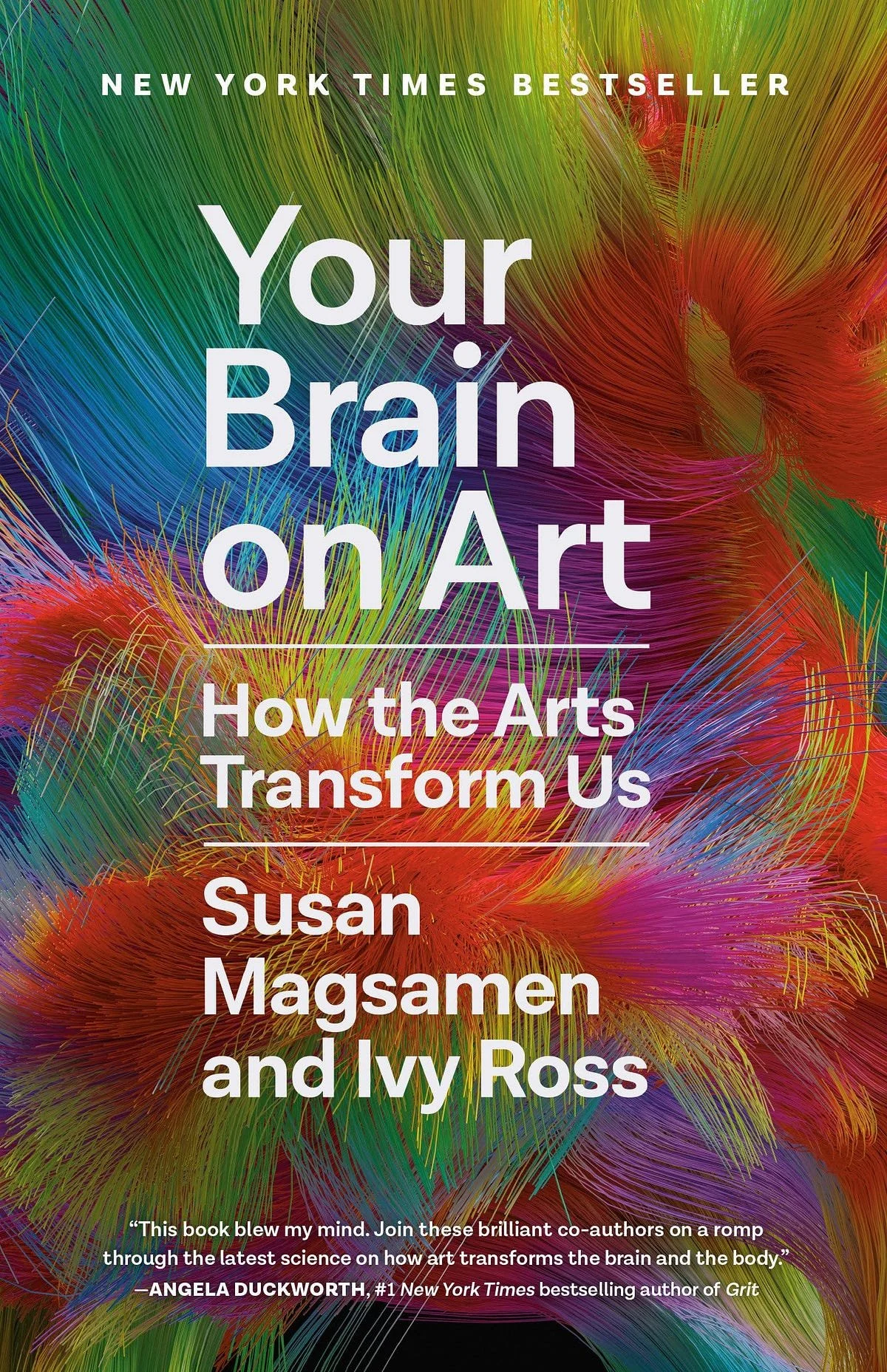
Your Brain on Art: How the Arts Transform Us
In my personal opinion, no one has articulated the link between the arts and wellness more beautifully or urgently than my brilliant friend Susan Magsamen and her co-author Ivy Ross in their incredible book, Your Brain on Art: How Neuroaesthetics Can Transform Your Life.
In their book, they illustrate how the nervous system is a dynamic, living canvas that shifts its physiological baseline when exposed to deliberate sensory inputs. By introducing readers to the cutting-edge field of neuroaesthetics, the book establishes a permanent bridge between hard science and creative intuition, proving that engaging with the arts is a biological necessity directly linked to human longevity.
For designers, architects, and practitioners in the wellness industry, this book serves as an essential tactical manual for the next era of practice. It elevates our understanding of space from passive, physical containers to active, biological scripts. By understanding how architectural scale, lighting, and textures impact human biology, creators can move past the concept of "decoration" and begin treating spatial environments as non-invasive medical interventions.